Beyond Purchases: How Experiences Are Reshaping Advertising
05.18.2026 | by Viamedia Insights
Share:


Consumers are spending differently. Not because they’ve stopped buying, but because what they value has changed.
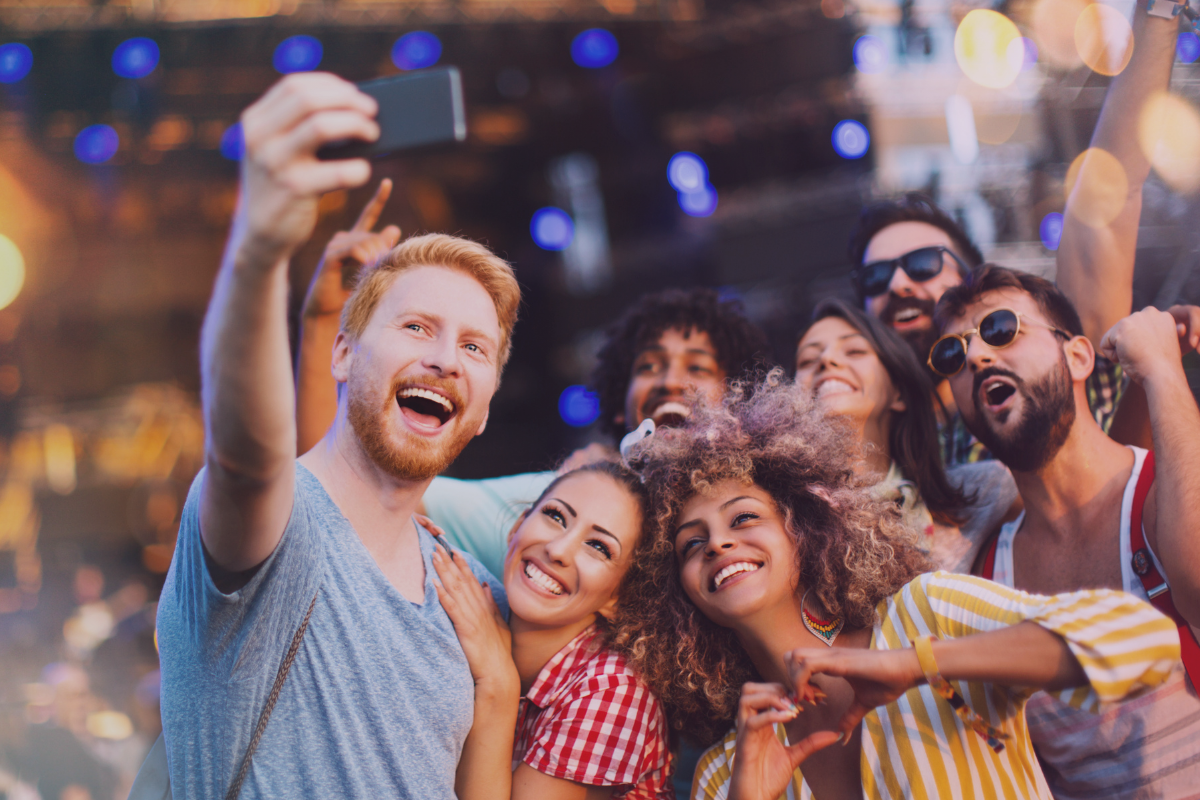
Concerts. Sporting events. Weekend trips. Dining experiences. Fitness classes. Festivals. Pop-ups. Group travel. Consumers increasingly prioritize moments they can participate in over products they can own. Experiences have become status symbols, social currency, and emotional investments all at once.
For advertisers, that shift changes more than where budgets go. It changes when people make decisions, how anticipation builds, and where attention actually happens.
The brands winning in this environment are not just advertising around experiences. They are aligning media strategies to the behaviors leading up to them.
The Purchase Funnel Starts Earlier Than Brands Think
Experiences create longer decision windows than many traditional retail purchases.
A concert ticket purchase can trigger weeks of related behaviors: researching restaurants, booking hotels, shopping for outfits, coordinating travel, consuming creator content, and engaging with event-related media coverage. A family vacation creates an even broader chain of decisions spanning streaming consumption, mobile research, local discovery, and real-world movement patterns.
The activity itself is only one part of the consumer journey. The anticipation becomes its own media environment. That matters because consumers do not suddenly become interested at the moment of purchase. Intent builds gradually across screens, locations, and routines.
Someone planning a summer music festival may begin engaging with artist content weeks in advance. Sports fans planning for a major event start consuming predictions, highlights, podcasts, and social commentary long before game day. Travelers researching destinations often shift media behaviors months before departure.
Media strategies built only around the final transaction window miss the larger behavioral runway.
Experiences Create Multi-Channel Attention Cycles
The experience economy also reinforces why omnichannel strategies matter more than ever.
Experiences naturally move consumers across environments:
- Streaming event previews on CTV
- Researching destinations or tickets on mobile
- Seeing DOOH near entertainment districts or transit hubs
- Listening to podcasts or audio during commutes
- Engaging with creators and social content throughout the planning process
Attention no longer lives in a single channel during these decision cycles. It follows momentum.
A consumer planning a golf trip may stream tournament coverage at home, browse travel content during work breaks, pass by airport DOOH placements while traveling, and continue engaging with related content throughout the trip. Every interaction contributes to intent reinforcement.
This is where fragmented media strategies begin to fail. If channels operate independently, messaging becomes inconsistent and disconnected from the consumer journey itself.
Why Geographic Context Matters More in the Experience Economy
Experiences are deeply tied to physical environments.
Where people go often reveals more about intent than traditional demographic assumptions alone. Someone who regularly spends time near live entertainment venues, fitness districts, luxury shopping corridors, airports, ski towns, or sports bars is signaling real-world behavioral patterns.
Using Geo-Graph™ with H3, Viamedia helps advertisers align campaigns to the geographic environments where these behaviors naturally occur. Instead of relying solely on static audience assumptions, brands can activate against real-world movement patterns and location context tied to consumer interests and activity-driven behaviors.
That could mean:
- Reaching travelers near airports and hotel corridors before peak vacation periods
- Activating around entertainment districts ahead of concerts or festivals
- Targeting sports fans near stadium zones, sports bars, or viewing destinations during major tournaments
- Aligning fitness and wellness messaging near gyms, running trails, and health-focused retail corridors
The goal is not just broad awareness. It is contextual relevance during moments of heightened consumer intent.
Creative Agility Matters When Moments Move Fast
Experiences also create rapidly shifting media windows.
A playoff run changes local attention overnight. A viral concert announcement creates immediate spikes in demand. Weather shifts can alter travel behavior instantly. Cultural moments evolve faster than traditional production timelines can often keep pace with.
That creates pressure on creative teams to adapt messaging quickly without having to rebuild campaigns from scratch.
With Attention+, brands can extend and adapt existing creative assets across formats, screens, and environments without requiring entirely new production cycles for every activation. Existing video assets can evolve into omnichannel creative designed for CTV, mobile, display, and DOOH placements aligned to changing consumer moments.
In the experience economy, speed matters because attention moves quickly.
Experiences Don’t Replace Products; They Reshape Demand Around Them
The shift toward experiences does not mean products no longer matter. It means products increasingly connect to lifestyle moments, participation, and identity.
Consumers are not simply buying sneakers. They are buying marathon training. They are not just purchasing luggage. They are investing in travel experiences. They are not only ordering food. They are participating in social occasions, celebrations, and routines built around shared moments.
The brands that understand this shift stop marketing products in isolation.
They market the surrounding experience.
And increasingly, the media strategies that perform best are the ones built around anticipation, momentum, and the environments where those experiences come to life.