
The Next Level of Audience Targeting: Cross Connect

01.30.2019 | by viamediamwd
Share:


Getting the right message in front of the right person, at exactly the right time is the DREAM of advertising. The reality is always different. Let’s focus on the reality of geo-targeting in programmatic. You would think that the closer you get to the hyper-local geography, the more “desirable” impressions you receive, but sometimes hyper-local can bring up challenges you never imagined.
Let’s explore each of our geo-targeting tactics separately. And let me spoil the surprise, Cross Connect provides a solution to these hyper-local challenges.
Local Digital Challenge: Travelers/Commuters
Geo-fencing has its place, but for certain local campaigns, you may find waste in your campaign if you’re not careful. Let’s take two examples to make it real. A political candidate campaign and an auto dealer’s service department.
Political Candidate Geo-Fence Campaign
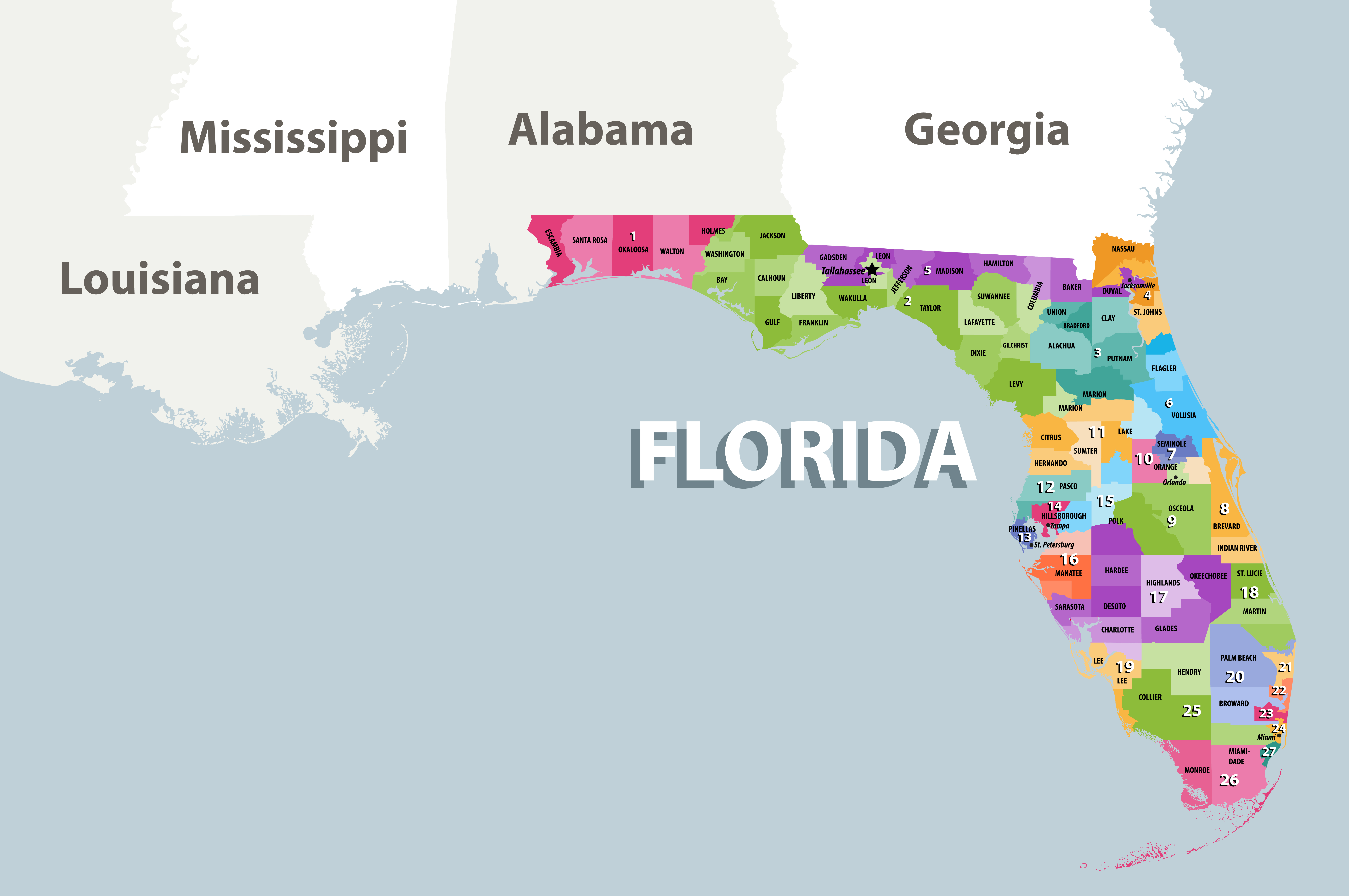
For the political campaign, we geo-fence the gerrymandered polygon that is their representative district. We send ads to mobile devices that pop up in that geo-fence during the campaign.
Perfect, where’s the waste?
- How about people who work in that geo-fence but live (and thus vote) outside of the fence? That ad is wasted on them. Even if it is persuasive, that person can’t vote for the candidate.
- How about that hotel in town. How many of those hotel guests can vote for the candidate?
Auto Dealer Service Campaign
Same goes for the auto dealer service campaign. I am likely only going to service my car at your shop if I can easily drive there, drop off the car, get a ride to work or get a loaner. Your ad for 50% off my next service may speak to me, but if the gas to drive to your location costs more than the discount, it is not worth it. So, as precise as geo-fencing is, it comes with waste.
Remember the famous quote from John Wannamaker, “Half the money I spend on advertising is wasted; the trouble is, I don’t know which half.”

Local Digital Challenge: IP Addresses Not Mapped Correctly
IP Geo-Targeting also has its place, but with certain hyper-local campaigns, there is a good chance of waste. When we ask to target by zip code, city, state, DMA, etc, we are asking for IP Geo-Targeting. Our DSPs (the platforms that bid on exchanges for our programmatic ads) use databases like MaxMind or Digital Envoy to match IP addresses and device IDs to zip codes and other physical address groups.
One of the problems is that IP addresses don’t map to zip codes very well.
Consider an ISP, say Comcast. ISPs constantly recycle IP addresses and reassign them and they do not share this confidential data with anyone, not with MaxMind or Digital Envoy for sure. So we guess at these mappings. And the guesswork is getting worse and worse, especially when you get local. An IP address that started in zip code 10001 / city=NY / state=NY may get reassigned to 12550 / city=Newburgh / state=NY, 65 miles away. Fine if you are a national or regional campaign, a miss if you are local.
Even if you get the geo correct, you are targeting devices by where they connect to the internet right now. Not where they live or where they vote or where they service their cars. If your campaign goal is branding Coca-Cola, you are fine. If you are trying to get votes or auto service appointments, you are wasting your money.
Local Digital Challenge: Last but not least, fraud
And then there is fraud. IP addresses can be hijacked and bots and scammers have been playing this game for a long time, so any geo-targeted campaign can have a good percentage of fraud as many studies show.
From my observations over 50% of all geo-targeted campaigns are missing the geography target for local merchants. John Wannamaker’s quote applies to digital as much as it does to any traditional media.
So, what is the solution?
Cross Connect eliminates geo-waste.
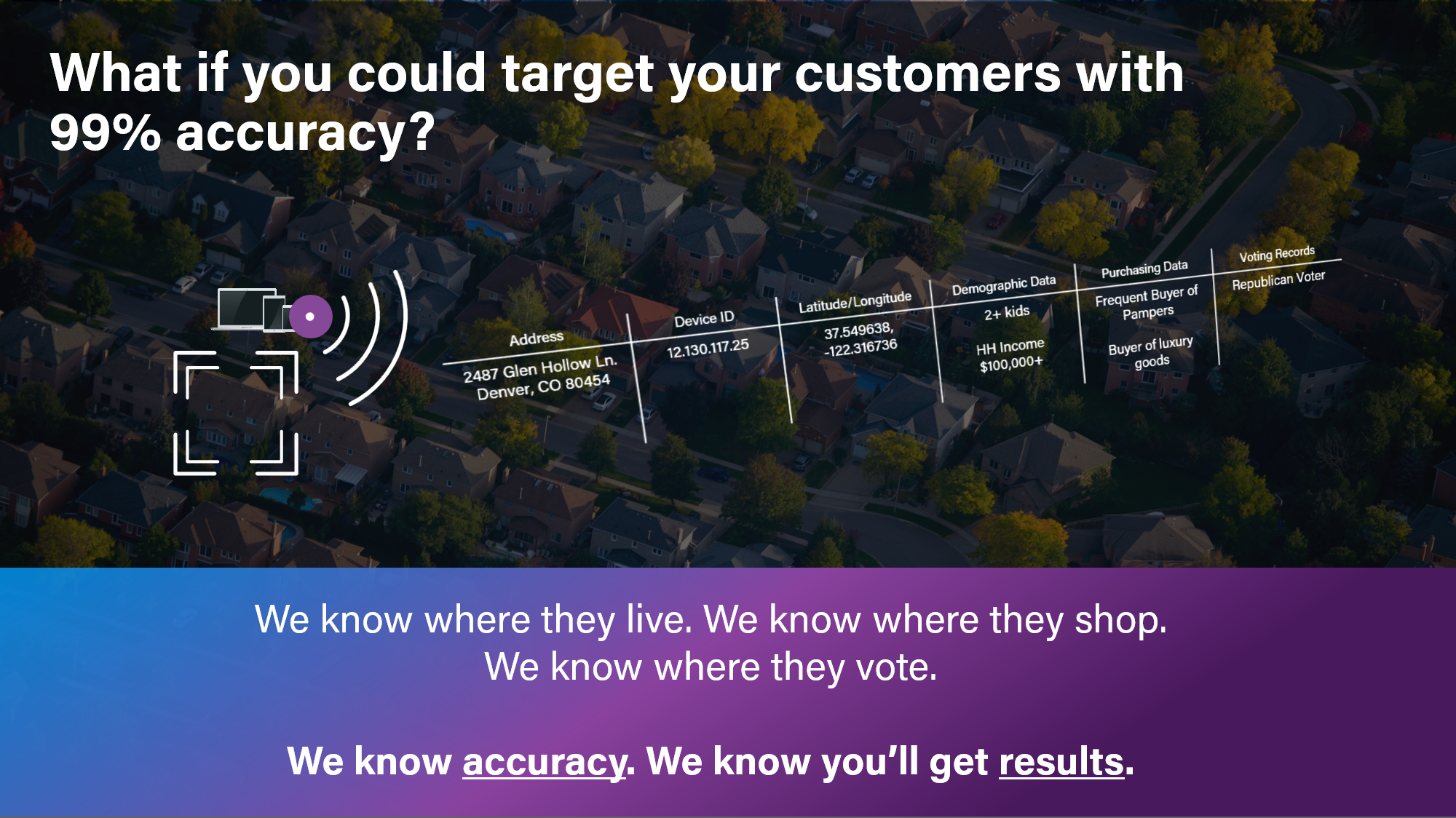
It’s in the name, Cross Connect connects digital devices to the residential addresses where they live. Our partners use a combination of relationships with local ISPs and App manufacturers to build a database of device IDs connected to their residential physical address.
How is a Device ID captured?
- When a device at one of our ISP partners logs on to the internet we capture their device ID and already know they are logging in from a residential address where they bought their residential ISP service.
- When a bid comes in from a device to one of our digital ad exchange partners, they capture the location of that device through location services partnerships with app manufacturers.
How is the device authenticated?
- All of our partners make sure they see these devices in the same residential address several times during weeknights and weekends to make certain that the device owner lives at that address and is not visiting or walking through the neighborhood.
Through these partnerships with vendors who authenticate and connect devices to residential physical addresses, we have access to device IDs at over 90 million households in the US.
We can target these 90 million+ devices with relevant hyper-local advertising no matter where they are in the world on the internet.
Real Life Example
I live in New York. I travel to our Lexington, KY offices every few months. With Cross Connect, I will no longer be exposed to ads for a Lexington, KY car dealership when I am visiting. I wouldn’t buy a car in Kentucky. But when I am in market for a car, and I see an ad for my local NY Jeep dealership while on a business trip to Lexington, that ad will be super relevant to me.
Think about the applications for your local business, like car dealerships, who only sell to “residents” within a certain mile radius from their location. Think about political. You can only vote where you live. Look at your digital campaigns that are currently running and if geo-location matters, then consider the opportunity if you were to utilize Cross Connect. It may cost a fraction more, but you are eliminating 50% waste, so the return on investment (ROI) is much higher.
The key to a successful hyper-local digital campaign is not something you should enter into without doing your research. There are very successful ways to utilize geo-fencing and geo-targeting to your customers but, you need the help of a digital strategist to help you decide on the tactics that will generate the greatest ROI for your business.