
Your Back-to-School Campaign Is Already Behind
05.08.2026 | by Viamedia Insights
Share:


When you think back-to-school, your mind probably jumps to the end-of-summer sadness of putting your bikes away and taking your backpack back out of the closet. But in advertising, back-to-school starts long before summer even begins.
For many brands, the planning window opens before finals week. And for consumers, the timeline looks different depending on the stage of life they’re entering. College students move into dorms in early August, while many K-12 schools across the country don’t return until Labor Day or later. And as the times evolve, so have their back-to-school needs. Not everyone is shopping for notebooks and pencils; rather, for iPad cases and keyboards.
Consumer behavior has changed, and media strategies have to evolve with it. Brands that still treat back-to-school like a single late-summer shopping moment are already behind.
How to Evolve Your Strategy
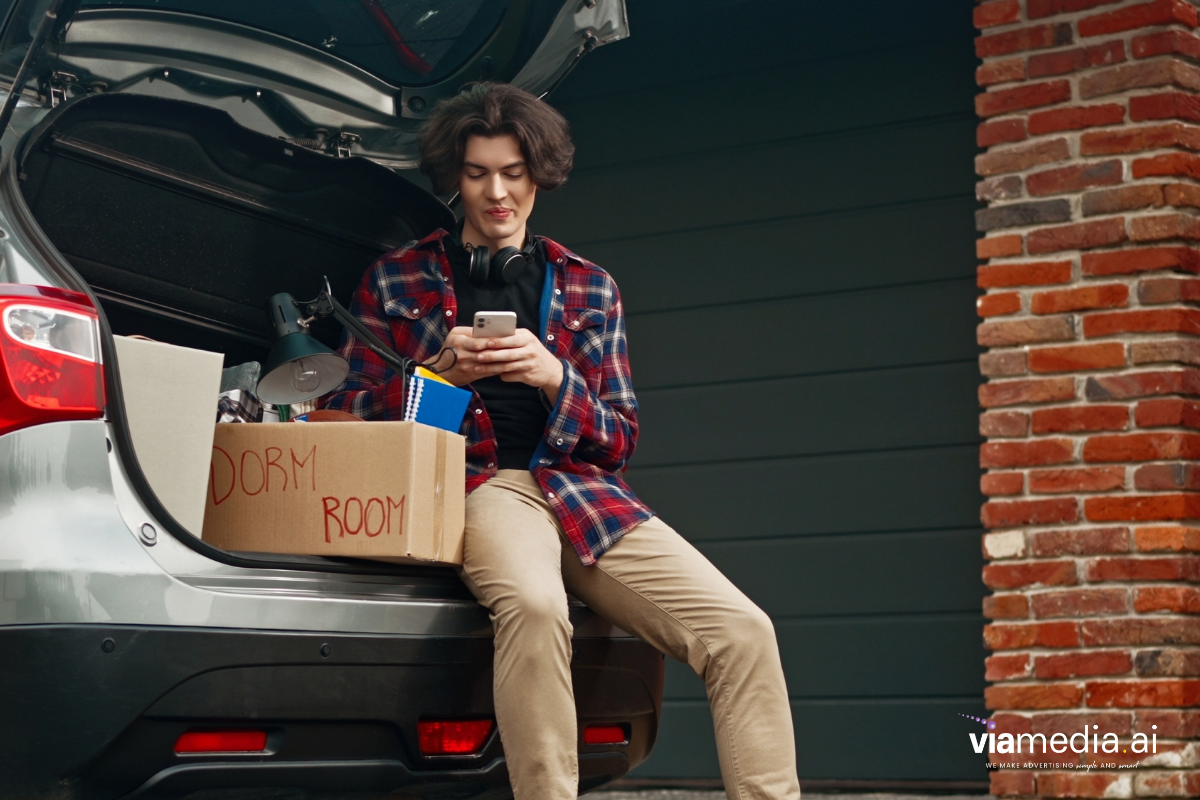
Take a college freshman, for example. Newly 18, moving away from home for the first time, potentially hundreds or thousands of miles away from family. They are building an entirely new environment from scratch. From the second they open that acceptance letter — or more realistically, today, that acceptance email — they are already envisioning what dorm life will look like.
College acceptance timelines can stretch from December through April, depending on early decision, regular admission, and waitlists. That creates a much longer runway for brands than most marketers account for. Students and parents begin researching, comparing, saving for products, and mentally planning purchases months before move-in day.
That’s where audience timing becomes more important than campaign timing.
Using the Geo-Graph™, brands can identify and reach audiences based on real-world behavioral patterns and geographic movement tied to key moments in the back-to-school journey. CTV ads for dorm-safe appliances, DOOH placements promoting limited-edition Twin XL bedding collections near major college retail corridors, or paid social campaigns featuring school-branded apparel can all work together to meet students and families where decisions are already happening.
Understanding where your audience is, how they move, and which behaviors signal intent helps turn awareness into action.
The Biggest Slice of the Pie
Influencer marketing has become one of the biggest drivers of purchase behavior for younger audiences. In 2025, 76% of Americans followed influencers, and according to PartnerCentric, the average per-person spend on influencer-related purchases reached $372.
Brands investing in influencer marketing are already creating content that audiences engage with organically. But too often, that momentum disappears after a single post or short campaign burst.
Using Attention+, brands can extend the life of existing creative assets by activating them across additional paid media environments, helping campaigns maintain visibility and engagement without requiring entirely new creative production.
Let’s say a makeup mirror brand is running a back-to-school campaign focused on dorm-sized, desk-friendly mirrors. Their target audience includes girls ages 16–21 who follow beauty influencers, frequently shop at beauty retailers, and are actively preparing for dorm life. The brand partners with an influencer to create TikToks and Reels showcasing how the mirrors fit into compact dorm setups.
At first, engagement spikes. But like most social campaigns, attention eventually slows. Instead of letting the campaign fade, Attention+ allows the brand to extend its existing creative assets into paid placements across social and digital environments, reaching additional audiences, such as parents helping their students prepare for move-in season.
The result is a campaign that continues building awareness and engagement beyond the initial influencer post window.
And that matters because effective targeting is not about reaching the most people; it’s about reaching the right people at the right moment in their decision-making process.
Times Have Changed
As with every major retail cycle, traditional timelines continue to shift. Holiday shopping no longer starts and ends on Black Friday and Cyber Monday, and back-to-school shopping is no longer limited to a last-minute schools supplies run a week before classes start.
Audiences plan earlier, research longer, and constantly move across platforms. They discover products on social, compare them on retail sites, stream content while researching, and make purchase decisions over time rather than in a single moment.
Brands that wait until late summer to activate back-to-school campaigns risk missing the moments when decisions are already being made.
Because by the time class is in session, the shopping journey has often already ended.